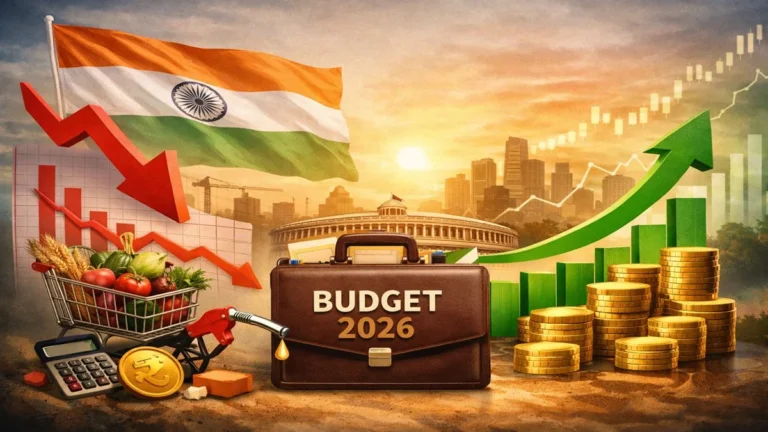
It resembles Superbowl Sunday in the US, the FA Cup Final in the UK, the MCG Boxing Day Test match or the Melbourne Cup in Australia. An annual event that brings people together, it is a roller coaster of emotions where fortunes are made and lost.
I am not talking about a sports event, I’m talking about The Indian Union Budget
Presented every year in Parliament by the Finance Minister it has become a spectacle. As the Indian economy expands and retail participation in the stock market explodes the hype around the budget only intensifies each passing year.
My comparison to a sports event is not too far off the mark. The similarities are uncanny.
The weeks leading up are overflowing with experts commenting on what the government should do, much like picking the playing XI. This is followed by predictions, panel discussions (pre and post budget/match). Finally there are celebrations and tears, the victors laugh while the newly taxed cry.
The finance minister holding up the iconic ‘briefcase’ is like a trophy being carried on to the field before a big final.
This tradition traces back to the 1860’s. The word ‘budget’s’ roots lie in a French word ‘bougette’ which means a leather bag. Back in the day the Chancellor of the Exchequer was asked to ‘open the budget’
India’s first Finance Minister R. K. Shanmukham Chetty in 1947 carried a briefcase and the tradition has run for decades. The briefcase evolved into Bahi Khata (Indian ledger wrapped in red silk) and finally has moved to a tablet for a paperless budget by Nirmala Sitharaman
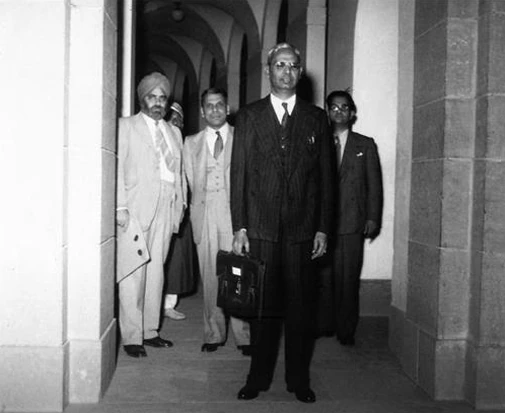
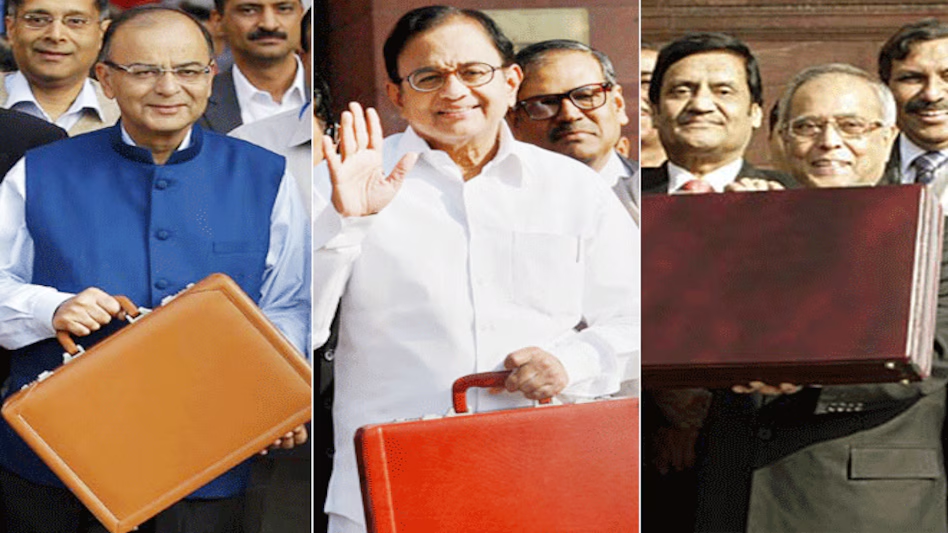
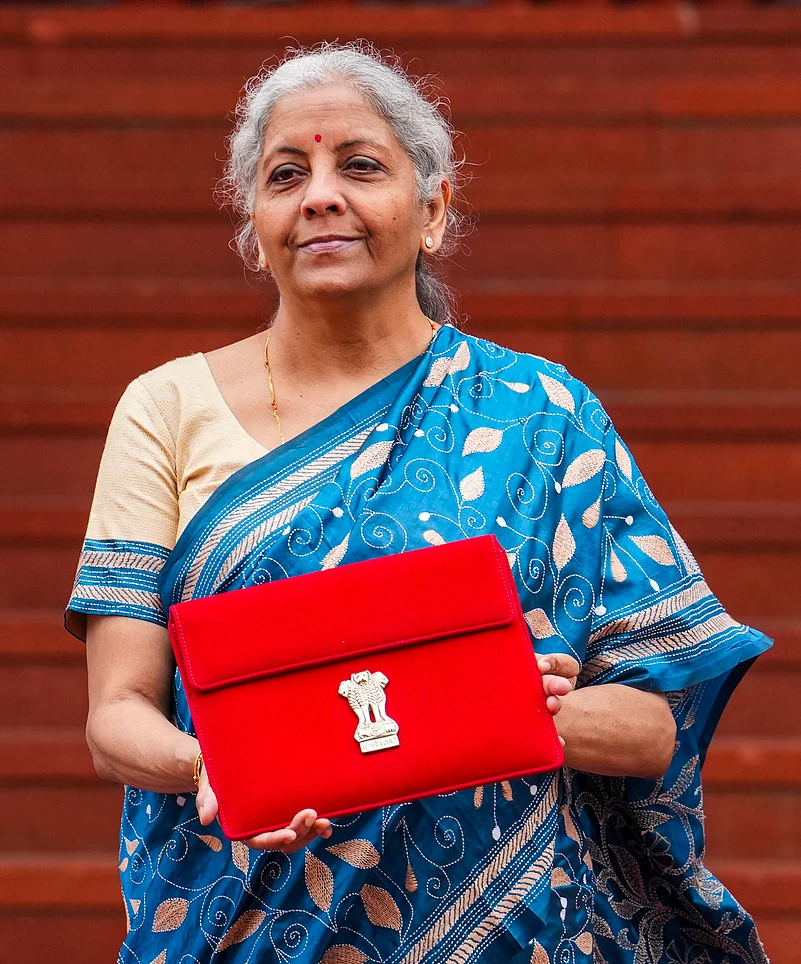
But it wasn’t just the props that changed.
The first televised budget was 1992, till then it was only on the radio. I still remember my father and grandfather sitting in absolute silence hanging on to every word.
For years the budget would be presented at 5 pm, a colonial hangover set pre-independence to align with the British Parliament’s morning session. Yashwant Sinha changed the time to a more sensible 11 am which stands today. Finally, the date was changed from February 28th to February 1st by Arun Jaitley in 2017 to give more time prior to the start of the financial year in April.
In sports we remember legendary matches. The budget is no different.
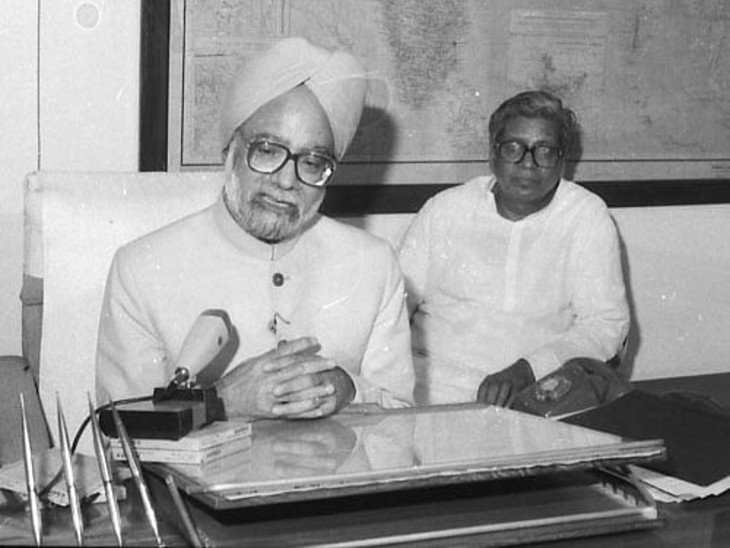
There was the Millenium Budget of 2000 (Yashwant Sinha) that made India an IT superpower with incentives for the industry. The “Dream Budget” of 1997 (P. Chidambaram) which drastically reduced taxes; and of course the game-changer of them all, the 1991 Epochal Budget (Dr. Manmohan Singh), a moment so transformational that it not only changed the course of India but by extension the global economy.
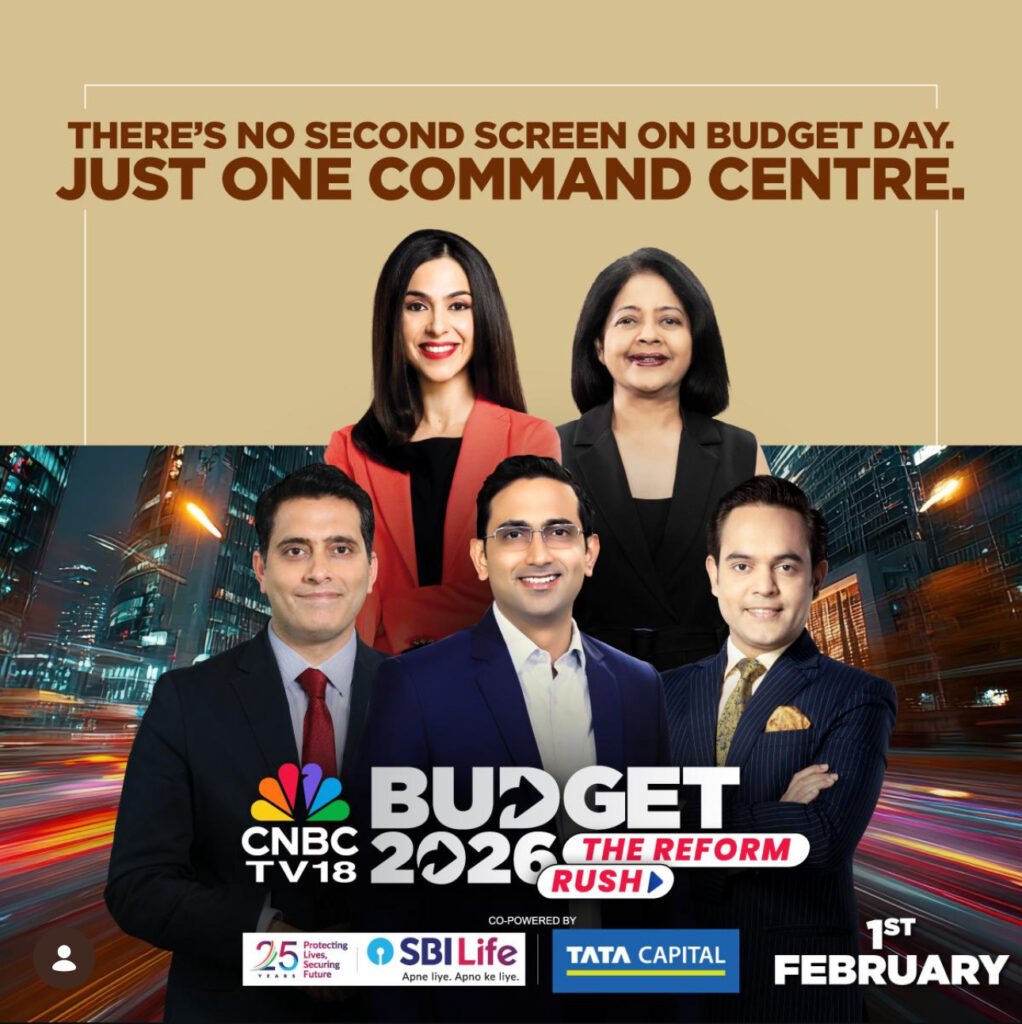
With the launch of CNBC TV18 in 1999 the media landscape for the budget was forever altered. Viewers for the first time watched live stock movements that changed with every word of the finance minster. Online trading on your mobile phones followed soon after and the growth has been gargantuan since.
The pundits that comment often use the consultants play book- ‘say a lot without saying anything at all.’
The visuals remain predictable- people distributing ladoos, firecrackers being lit and brokers sitting in front of their terminals either smiling or grimacing.
In 2026 things will be different. ChatGPT or Gemini will analyse the budget for you and your business in a matter of minutes. It may even tell you what sectors and stocks to invest in, but I wouldn’t go blindly by them. It is not as certain as a dart board.
As globalisation is undergoing an unprecedented transition the government reforms become more critical than ever. A recent article in The Mint talks about how the Budget no longer moves the stock market. It may be the case, but it still remains the day in Parliament that draws the nation’s attention.
Predictions have been plentiful, anticipation remains high, who will benefit? Will it be a non-event or a game-changer?
Tune it at 11 am on Feb 1st and find out.